
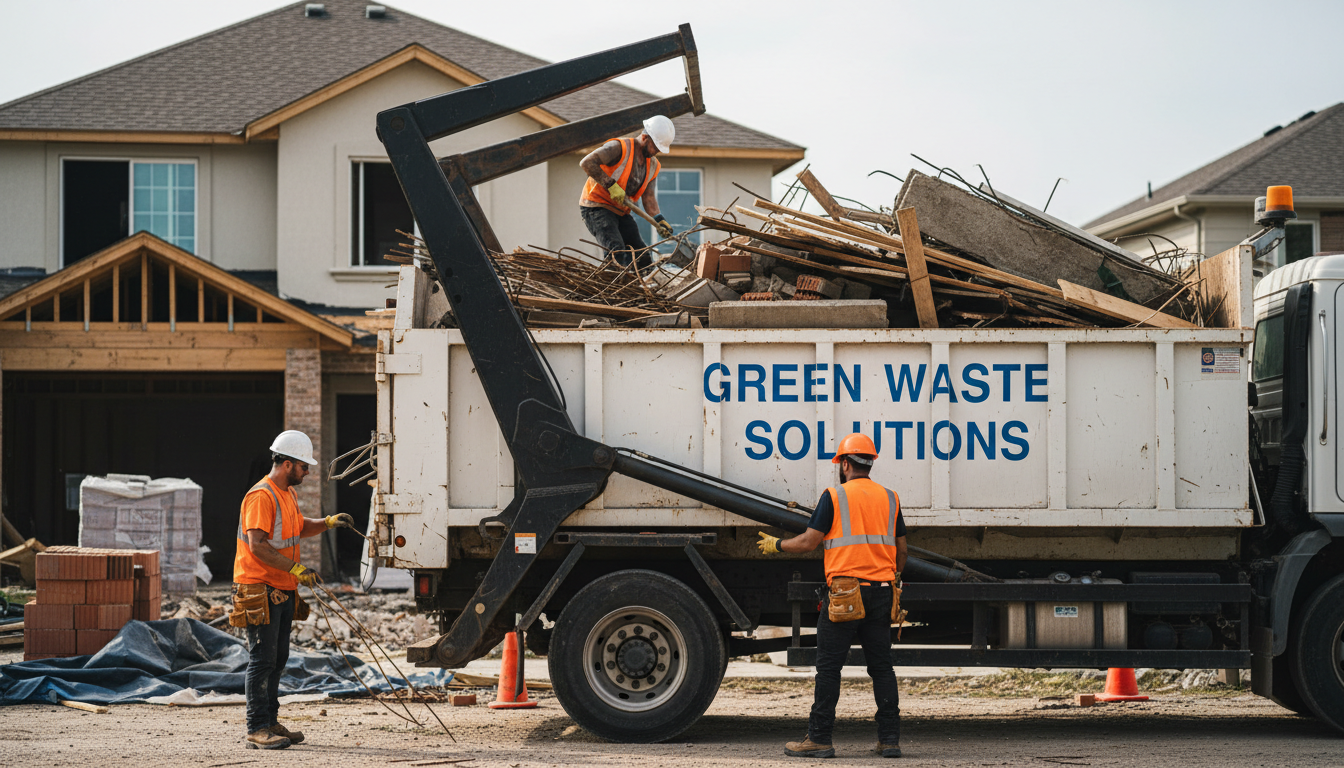
Maintaining construction site housekeeping safety involves keeping all work areas, passageways, and stairs clear of debris and scrap materials with protruding nails. OSHA standards 1926.25 and 1910.22 require employers to keep walking-working surfaces clean and orderly to prevent workplace hazards; this proactive approach ensures regulatory compliance and project site readiness.
A cluttered construction site is more than just an eyesore; it is a liability that invites workplace injuries, costly OSHA penalties, and significant project delays. For project managers, the challenge lies in balancing tight deadlines with the meticulous demands of site maintenance. Maintaining a clean workspace is not a secondary task, but a foundational requirement for operational excellence and site readiness. Ensuring your site meets stringent safety standards protects your crew and your bottom line. In this guide, we examine the core requirements of OSHA Standard 1926.25 and identify the specific hazards caused by poor housekeeping. You will discover practical strategies for navigating the site readiness walkthrough, along with a comprehensive checklist to streamline your commercial construction handover. By the end, you will understand how professional cleaning support can elevate your safety protocols and ensure a seamless transition from debris to delivery.
Understanding Construction Site Housekeeping Safety and OSHA Compliance
Housekeeping on a job site is often mischaracterized as a simple matter of organization or aesthetics. In reality, construction site housekeeping safety is a rigorous operational protocol designed to mitigate high-frequency hazards. For those of us managing commercial projects throughout Tennessee, maintaining an orderly site is the first line of defense against the leading causes of workplace injuries, specifically trips, falls, and puncture wounds.
The Occupational Safety and Health Administration (OSHA) formalizes these requirements under standard 1926.25. This regulation is explicit; during construction, alteration, or repairs, all form and scrap lumber with protruding nails, along with other debris, must be kept clear from work areas, passageways, and stairs. The inclusion of "protruding nails" highlights the specific dangers inherent in framing and concrete formwork that can lead to severe injuries or site accidents if left unchecked.
It is vital for site managers to distinguish between the general requirements found in 1910.22, which applies to General Industry, and the 1926.25 standard specific to construction. While 1910.22 focuses on keeping walking, working surfaces in a clean and sanitary condition, the construction standard is more demanding due to the dynamic nature of the environment. Debris accumulation in stairways, for instance, is strictly prohibited under 1926.25 because these areas serve as primary egress points during emergencies. At New Vision Cleaning Services, we view these mandates not just as regulatory hurdles, but as essential components of our new construction and commercial cleaning services, ensuring that every Tennessee job site remains functional and safe for every trade involved.
Core Requirements of OSHA Standard 1926.25
To implement effective construction site housekeeping safety, site managers must focus on the three operational pillars defined by OSHA 1926.25. The first pillar is the active clearing of work areas, with a specific focus on form and scrap lumber. OSHA highlights "protruding nails" because they represent a high-frequency puncture hazard, particularly during the stripping of concrete forms or the disassembly of temporary bracing. When lumber is removed, nails often remain embedded and upright. If these materials are not immediately pulled, clinched, or moved to a designated scrap area, they become hidden threats beneath sawdust or other light debris, leading to avoidable injuries and potential infections.
The second pillar involves the absolute maintenance of passageways and stairs. These zones are more than just transit points; they are critical egress routes. Under 1926.25, the accumulation of debris in stairways is strictly prohibited. A single tripped worker in a narrow stairwell during an emergency can stall an entire crew's evacuation. For site leads managing large-scale builds, this means establishing these zones as "zero-load" areas where no tools, off-cuts, or materials may be stored, even for short durations.
The third pillar focuses on the disposal of combustible scrap and debris. Standard 1926.25(b) mandates that combustible materials must be removed at regular intervals to prevent fire hazards. On a busy site, piles of cardboard packaging, wood shavings, and oily rags can quickly become fuel for a fire triggered by hot work or faulty temporary electrical setups. Engaging professional new construction and commercial cleaning services ensures that these waste streams are managed systematically rather than being left to accumulate until the end of the phase. By integrating these three pillars into daily site operations, managers shift from reactive tidying to proactive hazard mitigation, keeping the project compliant and the workforce protected.
The Hazards of Poor Site Housekeeping
The consequences of neglecting construction site housekeeping safety extend far beyond a cluttered workspace; they directly impact the health and safety of every laborer on the floor. Slips, trips, and falls consistently rank as the leading cause of construction-related injuries. When scraps of conduit, loose fasteners, or discarded packaging are left underfoot, they create an unpredictable environment where workers cannot maintain safe footing.
In the Southeast, our regional climate adds another layer of complexity. For teams managing commercial projects throughout Tennessee, high humidity levels in cities like Nashville or Knoxville can turn dry debris into significant hazards. Damp sawdust or gypsum dust becomes a slick sludge on concrete floors; meanwhile, stagnant moisture in piles of discarded lumber can attract pests or foster mold growth. Furthermore, the accumulation of combustible materials like wood shavings and cardboard creates a significant fire load, increasing the risk of rapid fire spread if sparked by welding or electrical malfunctions.
Respiratory risks also demand attention. Fine particulate matter from drywall sanding or masonry work settles quickly but is easily kicked back into the air by foot traffic. Distinguishing between daily maintenance and deep cleaning is crucial here. While daily maintenance focuses on clearing egress routes and removing large debris for immediate safety, professional new construction and commercial cleaning services involve the systematic removal of these fine particulates that compromise air quality. By addressing these hazards through rigorous housekeeping, site managers prevent the compounding effects of dust and debris that can lead to long term health issues or catastrophic site accidents.
From Debris to Delivery: Preparing for the Site Readiness Walkthrough

The transition from a high-activity build site to a client-ready space is the final, critical hurdle in project delivery. This stage necessitates a strategic evolution in construction site housekeeping safety. While the early phases focus on bulk debris removal, the readiness phase demands a level of precision that prepares the environment for the Site Readiness Walkthrough. During this formal inspection, builders and project owners must verify the integrity of every finish; a task made impossible if the surfaces are shrouded in fine dust or littered with material off-cuts.
A truly clean site acts as a diagnostic tool. Without the systematic removal of drywall particulates and masonry residue, finishing errors like uneven paint applications, misaligned millwork, or micro-scratches in glazing can go unnoticed until after the keys are handed over. For site leads overseeing commercial projects throughout Tennessee, ensuring a clear sightline is essential for spotting minor defects that debris might otherwise conceal. Engaging specialized new construction and commercial cleaning services ensures the handover is not stalled by hidden issues or late-stage surprises. By clearing the path for a transparent inspection, contractors can demonstrate their commitment to quality, facilitating a seamless transition from a raw job site to a functional, professional facility.
Site Readiness Checklist for Commercial Construction Handover
A successful transition to the final handover requires a granular focus on the physical state of the building. To ensure construction site housekeeping safety and operational readiness, site managers should utilize a structured checklist to identify remaining hazards or aesthetic deficiencies. This systematic approach facilitates a smoother walkthrough by ensuring every square foot meets both OSHA standards and client quality expectations for commercial projects throughout Tennessee.
Walking and Working Surfaces: Confirm all floors, walkways, and platforms are clear of trip hazards, fasteners, and loose material. Surfaces should be free of moisture or slick dust that could compromise traction.
Stairwells and Egress Routes: Verify that all stairways are entirely clear of storage, tools, or debris accumulation. As per OSHA 1926.25, these paths must remain unobstructed for safe passage.
Lumber and Scrap Management: Ensure all form and scrap lumber with protruding nails has been removed or the nails have been clinched to eliminate puncture hazards.
Glazing and Fixtures: Check that all windows and glass partitions are free of protective construction film, manufacturer stickers, and paint overspray.
Combustible Materials: Confirm that cardboard, wood shavings, and flammable debris are disposed of in designated containers and removed from the building interior to reduce fire load.
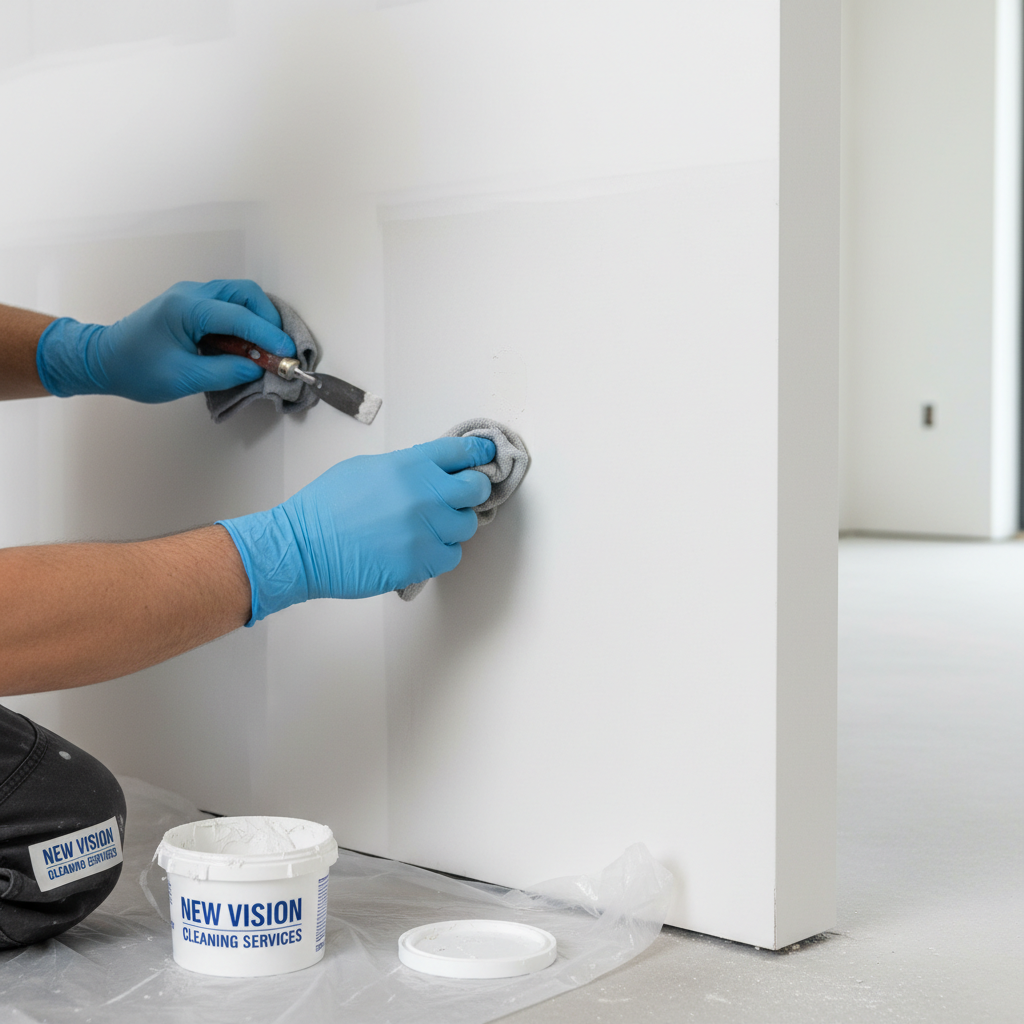
Surface Detail: Wipe down all HVAC vents, electrical panels, and hardware to remove the fine particulates that are often the focus of specialized new construction and commercial cleaning services.
The Advantage of Professional Support in Site Housekeeping
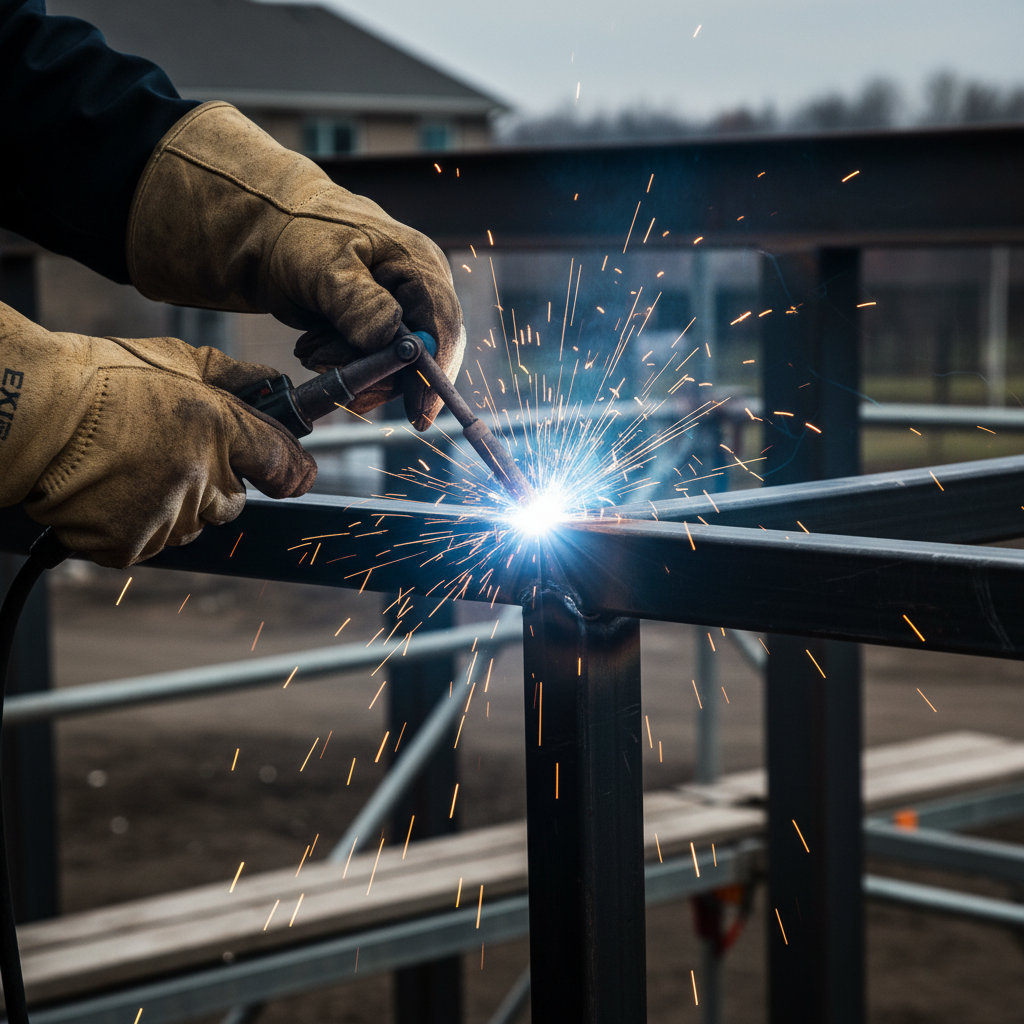
Effective construction site housekeeping safety requires more than a standard janitorial approach; it demands a partner who understands the structural complexities of a live build. At New Vision Cleaning Services, our expertise extends beyond surface level tidying into specialized demolition and mobile welding. This industrial background means our teams are uniquely equipped to identify and manage the heavy duty debris, such as metallic slag or structural off cuts, that generic cleaning crews often overlook or lack the equipment to handle safely.
Our role is to bridge the gap between a rough cleared site and a client ready facility. For commercial projects throughout Tennessee, we focus on the granular details that define a successful handover. This includes professional touch up clean protocols where we meticulously address drywall dust on light fixtures, tracks, and window sills. We remove persistent construction films and masonry splatters that compromise the aesthetic of high end finishes. By integrating our new construction and commercial cleaning services into your project timeline, you ensure that the final walkthrough is a showcase of quality rather than a hunt for hazards. Our deep understanding of the regional building environment allows us to provide the rugged support needed for site safety while delivering the polished results required for the final delivery.
Maintaining a compliant and safe construction site requires constant vigilance and a proactive approach to housekeeping. By prioritizing these OSHA standards, you protect your crew from avoidable hazards and keep your project on schedule. If you want expert help managing these rigorous cleaning requirements, we invite you to explore our specialized Services. Our team understands the nuances of site readiness, allowing you to focus on the build while we ensure your workspace remains clean, organized, and fully compliant.